.png)
Is My Child Ready for Gymnastics?

Gymnastics is often seen as a sport for older children or those with natural athletic ability. Yet, many parents wonder if their child is ready to start gymnastics and what benefits it might bring at different ages. The truth is gymnastics offers valuable physical, mental, and social benefits for children as young as two years old and continues to support development well into adolescence and beyond. This post explores how to tell if your child is ready for gymnastics, the advantages of starting early with classes like Twinkles, and how gymnastics supports growth at every stage.
Signs Your Child Is Ready for Gymnastics
Determining if your child is ready for gymnastics depends on several factors beyond just age. While many programs welcome children from age two, readiness involves physical, emotional, and social cues.
Physical readiness: Your child should have basic motor skills such as walking confidently, climbing, and some balance control. These skills show they can safely participate in beginner gymnastics activities.
Attention span: Even at a young age, children need to follow simple instructions and stay engaged for short periods. Classes for toddlers like Twinkles are designed with this in mind, using fun activities to hold their interest.
Interest and enthusiasm: If your child shows curiosity about movement, climbing, or tumbling, it’s a good sign they will enjoy gymnastics.
Social interaction: Group classes help children learn to take turns and cooperate. If your child enjoys playing with others, they may benefit from the social environment gymnastics provides.
Starting gymnastics at age two with programs like Twinkles introduces children to movement in a safe, playful way. These classes focus on developing coordination, balance, and confidence through games and simple exercises.
Benefits of Gymnastics for Toddlers and Young Children
Starting gymnastics early offers unique advantages that support overall development:
Improved motor skills: Activities like jumping, rolling, and balancing build coordination and body awareness.
Strength and flexibility: Gentle stretching and movement help develop muscles and joint flexibility.
Confidence building: Mastering new skills boosts self-esteem and encourages a positive attitude toward physical activity.
Social skills: Group classes teach sharing, listening, and cooperation.
Focus and discipline: Structured activities help children develop attention and follow instructions.
For example, a two-year-old in a Twinkles class might learn to balance on one foot or crawl through tunnels, which are foundational skills for more advanced gymnastics later.
How Gymnastics Supports School-Age Children
As children grow, gymnastics continues to offer benefits that support their physical and mental development:
Enhanced coordination and balance: These skills improve performance in other sports and daily activities.
Strength and endurance: Regular gymnastics builds muscle strength and cardiovascular fitness.
Goal setting and perseverance: Learning new routines teaches children to set goals and work through challenges.
Body awareness and injury prevention: Gymnastics teaches safe movement patterns that reduce injury risk.
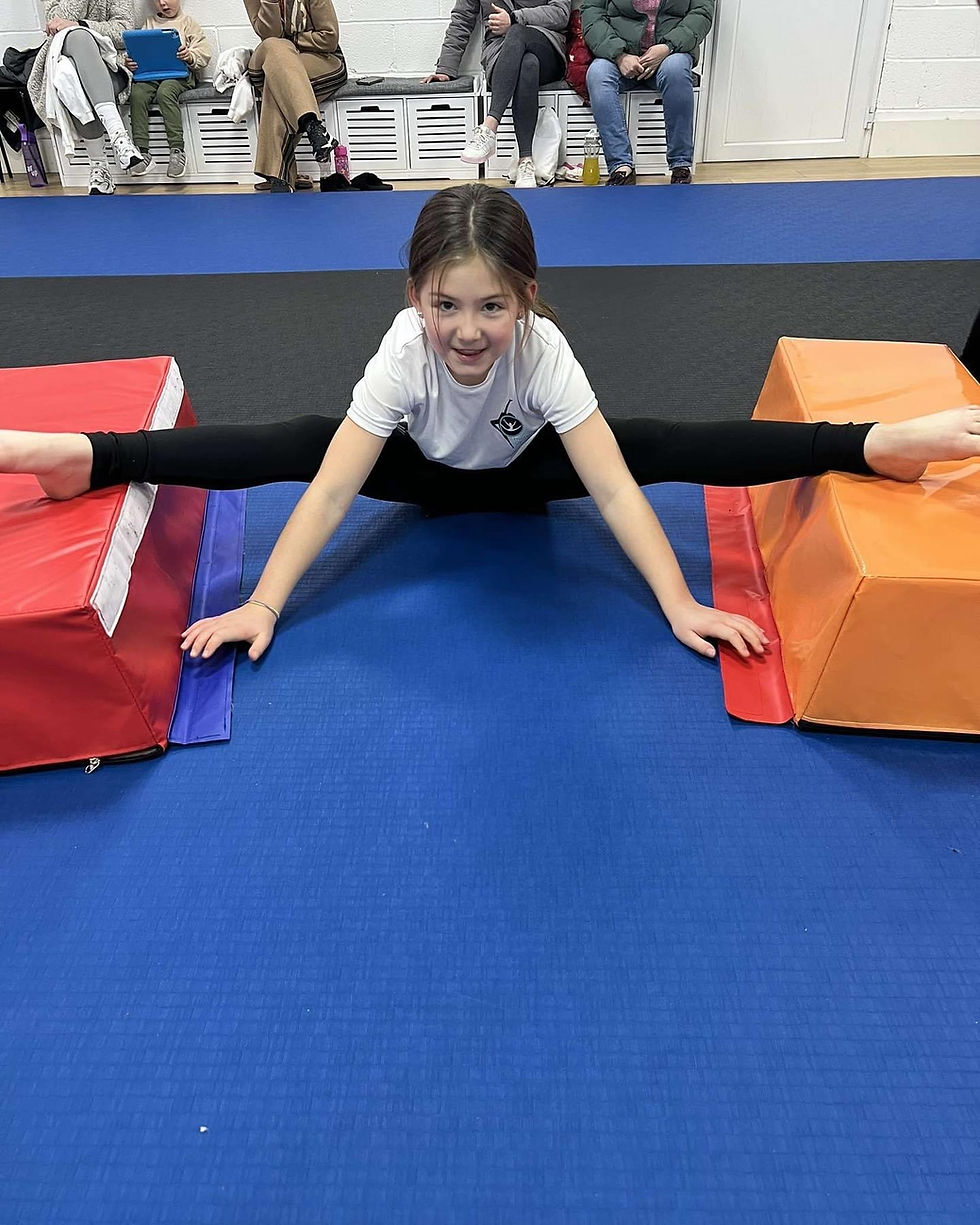
Improved posture and flexibility: These benefits support healthy growth and reduce discomfort from prolonged sitting or screen time.
Children aged 5 to 12 often enjoy the challenge of learning new skills like cartwheels, handstands, and basic flips. These achievements foster pride and motivation.
Gymnastics Benefits for Teens and Older Children
Gymnastics remains valuable for teenagers and older children, whether they pursue it recreationally or competitively:
Physical fitness: Gymnastics provides a full-body workout that enhances strength, flexibility, and endurance.
Mental focus: Complex routines require concentration and memory skills.
Stress relief: Physical activity helps manage stress and improves mood.
Discipline and time management: Training schedules teach responsibility and commitment.
Social connections: Being part of a gymnastics community builds friendships and support networks.
Teenagers can also use gymnastics as cross-training for other sports, improving agility and core strength.
How to Choose the Right Gymnastics Program
Selecting a gymnastics program that fits your child’s age and interests is key to a positive experience:
Age-appropriate classes: Look for programs that offer beginner classes for toddlers (like Twinkles) and progressive levels for older children.
Qualified instructors: Coaches should have experience working with children and understand developmental stages.
Safe environment: Facilities should have proper mats, equipment, and safety protocols.
Class size: Smaller groups allow for more individual attention.
Trial classes: Many gyms offer trial sessions to see if your child enjoys the class.
For parents in the UK, Dance and Gymnastics offers a range of classes starting from age two, focusing on fun, safety, and skill development.
Tips for Supporting Your Child in Gymnastics
Your involvement can make a big difference in your child’s gymnastics journey:
Encourage practice at home: Simple stretches or balance exercises can reinforce skills.
Celebrate progress: Praise effort and milestones to build confidence.
Stay positive: Focus on fun and learning rather than perfection.
Communicate with coaches: Stay informed about your child’s progress and any concerns.
Ensure proper rest and nutrition: Support physical activity with healthy habits.
Gymnastics offers a wide range of benefits for children starting as young as two years old and continues to support growth through adolescence. By recognizing readiness signs and choosing the right program, parents can help their children enjoy a rewarding and healthy activity. Whether your child is just starting with Twinkles or advancing to more complex skills, gymnastics builds strength, confidence, and social skills that last a lifetime.


Comments